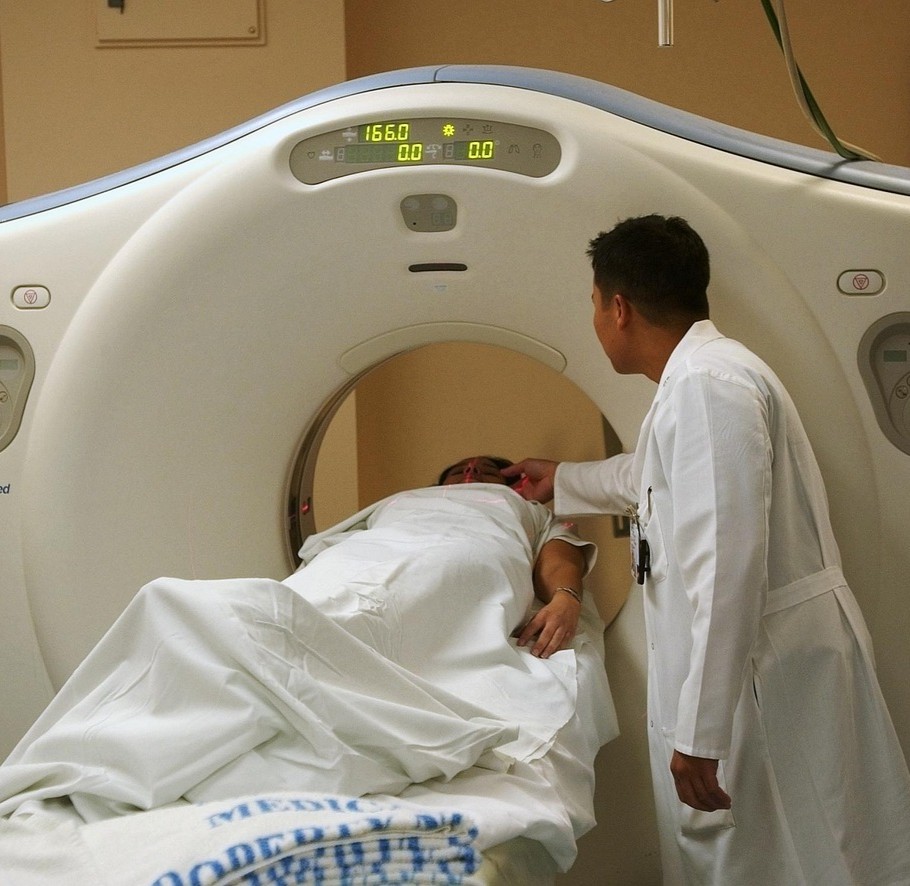
Unlike traditional radiation therapy that can go deeper into the body, electron beams lose energy quickly, stopping just below the skin’s surface. This makes them perfect for targeting tumors without affecting deeper, healthy organs and tissues.
The depth of the 90% dose level (R90) is defined as the therapeutic range for electron beam therapy. The R90 depth should, if possible, coincide with the distal treatment margin. This depth is approximately given by E/4 in cm of water, where E is the nominal energy in MeV of the electron beam.
In general, most patients gradually develop skin irritation or a sunburn-like redness in the treatment area. Prescription creams or lotions are available to help the healing process. Side effects do not usually begin until the second or third week of treatment and peak a few days after treatment is completed.
It can be used to treat tumors on the surface of the skin or keloids. It can be used when a single or multiple spots on your body are treated instead of the whole surface of your skin. Total skin electron beam therapy (TSEBT). TSEBT is when the whole surface of your skin is treated.
Potential risks include skin irritation and damage to nearby healthy tissues, which are managed carefully during treatment
At Ruby Hall Clinic, Pune, Dr. Shweta Mutha Pande offers expert radiation oncology care using the latest technology, including Electron Therapy, CyberKnife, IMRT, SGRT, and IGRT. Her precision-driven, patient-focused approach ensures that each patient receives the most appropriate radiation treatment for their unique condition.